“I’ve seen many overly complicated systems. This is a more simplified competency dictionary.”
Manufacturing


Ready to include Leadership Competencies customized to your organization?
Request more information or talk with a Workitect consultant about how our services, tools, and training can help you identify, describe, and apply leadership competencies integrated with functional competencies.
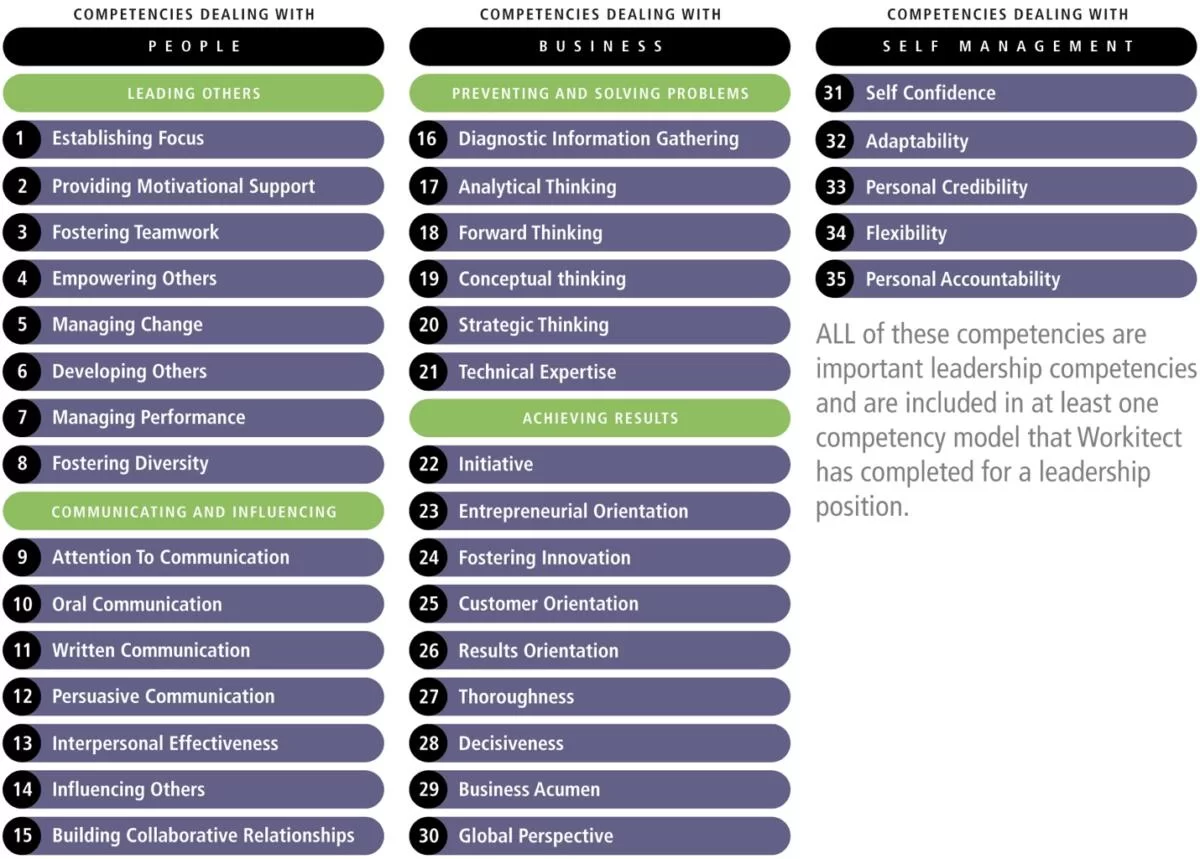
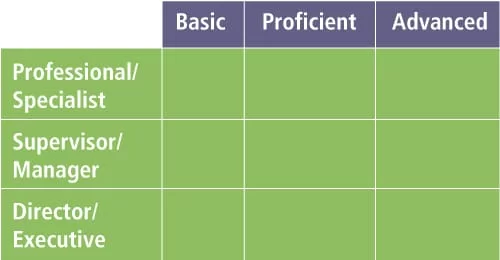
Leadership competencies can be observed and developed in all levels of management and in potential managers. Having competencies and their behavioral indicators described by level of job role and level of proficiency can be particularly helpful when the models are applied to succession planning and performance management.
Here are two examples of leadership competency models developed by Workitect:
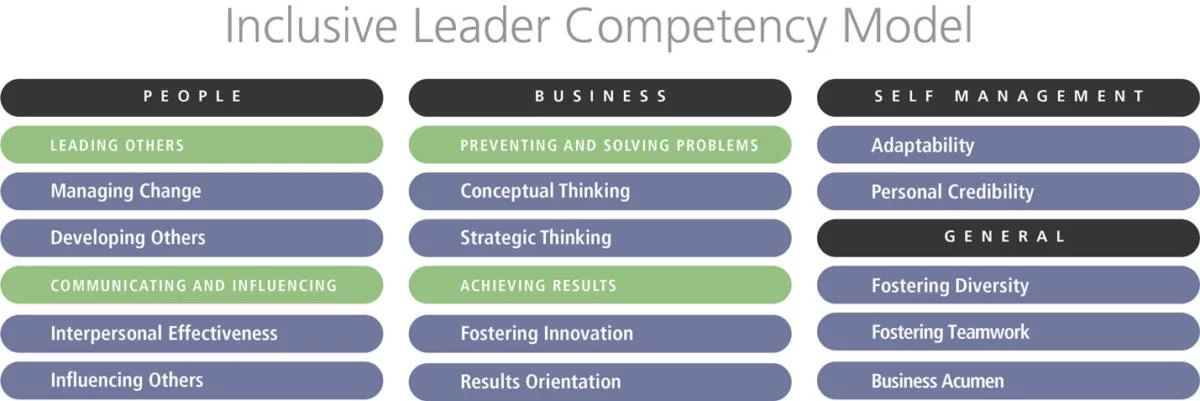
Demonstrating support for organizational changes needed to improve the organization’s effectiveness; supporting, initiating, sponsoring, and implementing organizational change; helping others to successfully manage organizational change.
Willingness to delegate responsibility and to work with others and coach them to develop their capabilities.
The ability to notice, interpret, and anticipate others’ concerns and feelings, and to communicate this awareness empathetically to others.
The ability to gain others’ support for ideas, proposals, projects, and solutions.
Finding effective solutions by taking a holistic, abstract or theoretical perspective.
Analyzing an organization’s competitive position and developing a clear and compelling vision of what the organization needs for success in the future.
Developing, sponsoring or supporting the introduction of new and improved method, products, procedures, or technologies.
Focusing on the desired end result of one’s own or one’s units work; setting challenging goals, focusing effort on the goals, and meeting or exceeding them.
The ability to keep functioning effectively when under pressure and/or experiencing rapidly changing or uncertain conditions, and to maintain, self-control in the face of hostility or provocation.
Demonstrated concern that one be perceived as responsible, reliable, and trustworthy.
As a team member, the ability and desire to work cooperatively with others on a team; as a team leader, interest, skill, and success in getting groups to learn to work together cooperatively
FOSTERING DIVERSITY
Working effectively with all races, nationalities, cultures, disabilities, ages and sexes. Promoting equal and fair treatment and opportunity for all.
Ability to perform with insight, acuteness, and intelligence in the areas of commerce and/or industry. Make decisions and act in situations in which there is not enough information to be certain of outcome or implications of the decision.
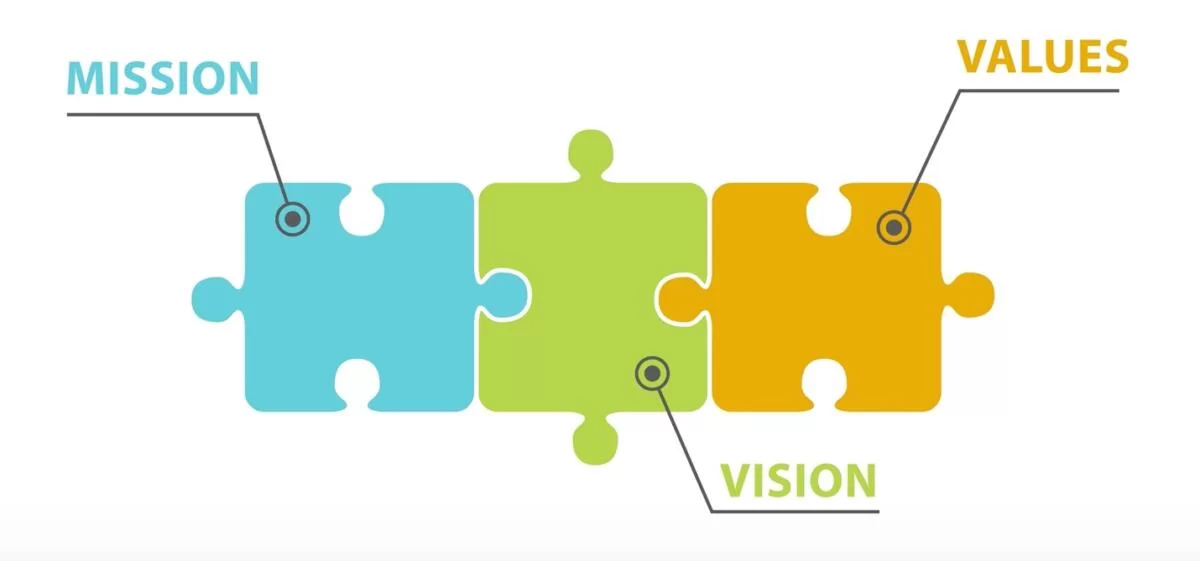
A leadership competency model developed for senior management can include the identification of two to six competencies that employees need to demonstrate in order for the organization to achieve its objectives and mission. These “core” competencies help answer the question of “what kind of company do you want our company to be?” Customer Orientation is an example for some organizations. The competencies are then included in the job competency models for all positions in the organization.
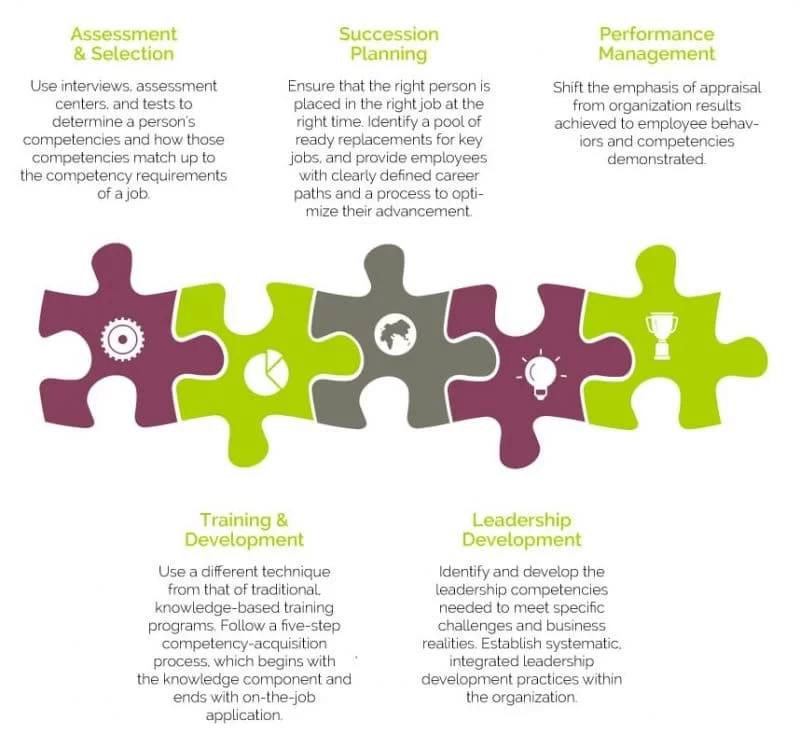
Identifying the leadership competencies for an organization serves no purpose unless the competencies are applied to processes for selecting, developing, and retaining talent.
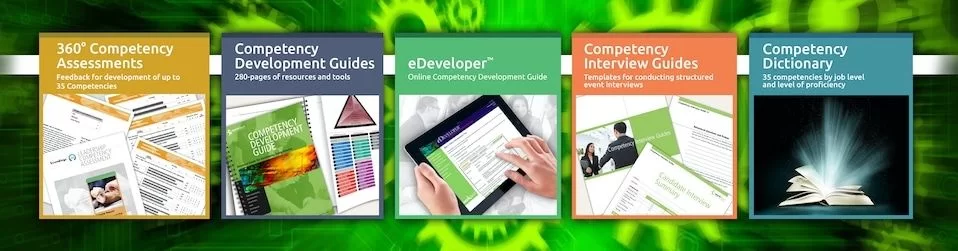
“I’ve seen many overly complicated systems. This is a more simplified competency dictionary.”

Speak with a Workitect consultant today and start transforming your talent strategy.