Key Ingredients to Organizational Success
 Conversation, Compensation, and Competencies
Do you feel overwhelmed with managing your employees’ expectations? Do they not understand your company culture and what is expected of them to keep progressing? You’re not alone.
Communicating what it takes to achieve the next steps in job advancement provides your employees with the knowledge they need to manage their own careers. Moving up typically depends not only on having the skills and knowledge required for a promotion, but the behavioral attributes necessary to achieve job success.
When it comes to conducting an employee development review and coaching session, did you know that competencies can provide the necessary elements for building a solid career framework model? Competencies can play a significant role in determining the right conversation points, and even help determine compensation increases when it comes time to have your organization’s annual performance reviews.
Raising the Bar on Performance Management
Adequate and customized competency assessments can contribute to enhanced performance management, framing employee development reviews and helping to identify:
- Job performance standards and measures
- Job behaviors required to accomplish specific tasks and responsibilities
- Competencies demonstrated by average and superior performers in key jobs
The American Compensation Association (now know as WorldAtWork) sponsored a research study in 1996 called “Raising the Bar – Using Competencies to Enhance Employee Performance.” Much of this 76-page booklet of findings still maintains relevancy with today’s workforce. For example, one of the most frequently cited human resource strategies involves improving teamwork and coordination, and increasing the link between pay and performance. This is a human resource strategy that supports a broader business strategy.
Exiting the “Free Agent” Culture
As organizations begin to adopt a career framework model as apposed to the “free agent” culture, employees will be less likely to leave. Why? The reasons are obvious:
- They will feel encouraged in their path to progress
- They will understand your expectations more precisely
- They will stop feeling ‘stuck’ in a position that keeps asking them to do more for less
- They will remain engaged and dedicated, further preserving your culture and values
In turn, this will satisfy both their drive to access dearly coveted positions and your need for performance and organizational success.
To learn more, click here to read about even more benefits of competency-based performance management.
 To learn more about our products and services, and how competencies and competency models can help your organization, call 800-870-9490, email info@workitect.com
or use the contact form at Workitect.
©️2019, Workitect, Inc.

Related Posts
Recent Posts

In Good Times & Tough Times, You Need Competent People
People. Not money, not buildings, not tools. Competent people are your most valuable resource. And…

What is the One-Size-Fits-All Competency Model?
In the One-Size-Fits-All Approach, a competency model is developed for a broadly defined set of…
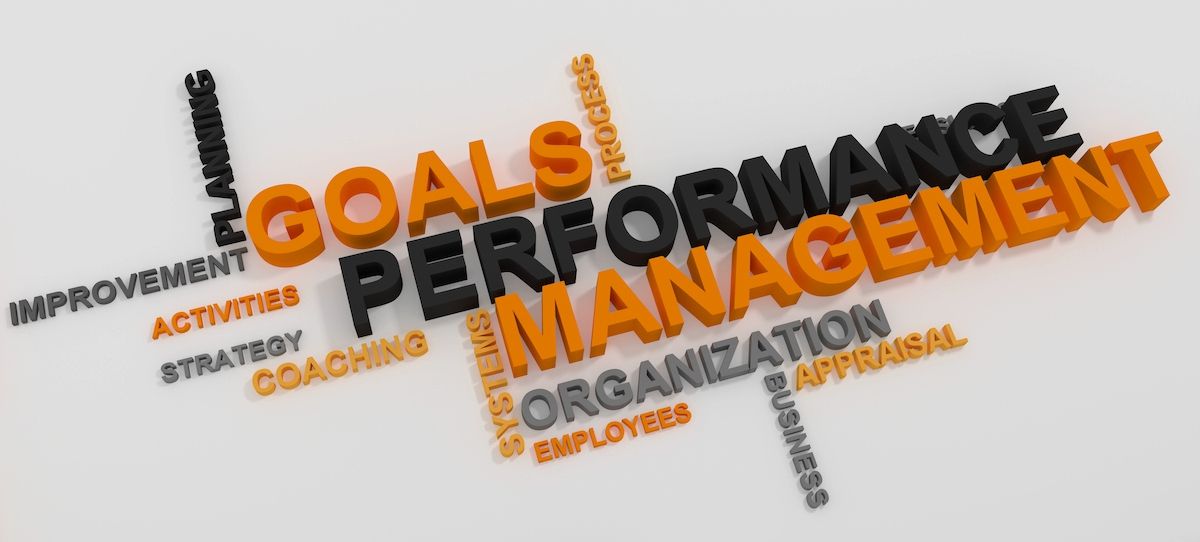
Is Your Performance Management System Working?
If it isn’t working, consider a… COMPETENCY-BASED PERFORMANCE MANAGEMENT SYSTEM Many organizations are becoming…

The New Reality: Career Streams vs. Career Ladders
Along with many other changes in how employee performance is managed, there is a…