
Fostering Teamwork in Competency Development
Out of the several soft and technical competencies used to characterize the strengths of a workforce, Fostering Teamwork belongs to the top ones. It has two behavioral aspects; the team members and the team leaders.
For the former one, Fostering Teamwork is the desire and ability of an individual to cooperate with other members of the team.
For the latter one – team leaders – it’s the skills, and interest in getting members of the team to work together in great harmony.
Why do Organizations NEED the ‘Fostering Teamwork’ Competencies?
When a team leader has a mindset of fostering teamwork and the members of his team follow his lead, magic happens in workplaces. Some of the key benefits of having this core competency in an organization are:
- Promotes Creativity: Team meetings are the breeding grounds of creative ideas. When different minds with varying perspectives are put together to find a solution to a problem or improve something, they eventually come up with that eureka moment together.
- Improves Productivity: If the team leader is understanding and flexible, people under his lead work with higher productivity. That’s because he/she gives them their space and trusts them with bigger responsibilities. Such leaders excelled even during the pandemic as they kept the ball rolling via zoom meetings. They assigned responsibilities and roles according to the strengths of people making it easier for employees to efficiently work remotely.
- Boosts Employee Morale: The most powerful sentence in every situation involving two or more people is ‘we’re in this together.’ When one member of the team is feeling tired, others can be his/her energy boost and help them get back on track.
- Combination of Strengths: Fostering teamwork leads to capitalization on each other’s strengths. Nowadays, a single project requires people from multiple backgrounds and with different expertise to complete it to a t. A well-connected team will build on each other’s strength in perfect synchronization.
- Healthy Risk-Taking: Having solid teamwork in an organizational space enables employees to trust and rely on each other when it comes to making a tough decision. Having people to share responsibility and tackle challenges with allows team leaders to take healthy risks for the growth of both the organization and members of the team.
Some Considerations for this Competency Development:
As Team Members:
- People should listen to and support one another’s proposals and ideas
- Build on someone else’s idea
- Disagree in a constructive way
- Offer help to other members of the team
- Recognize and appreciate each other’s contributions
As a Team Leader:
- One must create a team with complementary strengths to tackle a task
- Recognize everyone’s active participation
- Recognize employees’ efforts for teamwork and encourage them
- Provides clear agenda of the team and the whole project
- Provide constructive feedback
Final Words:
Fostering teamwork is the most powerful competencies when it comes to getting things done! At Workitect, we offer a range of HR talent management solutions tailored to help your business in developing competency models resonating with your goals. We’ll help you create top-tier teams that’ll be the go-getters in the truest sense of the word.
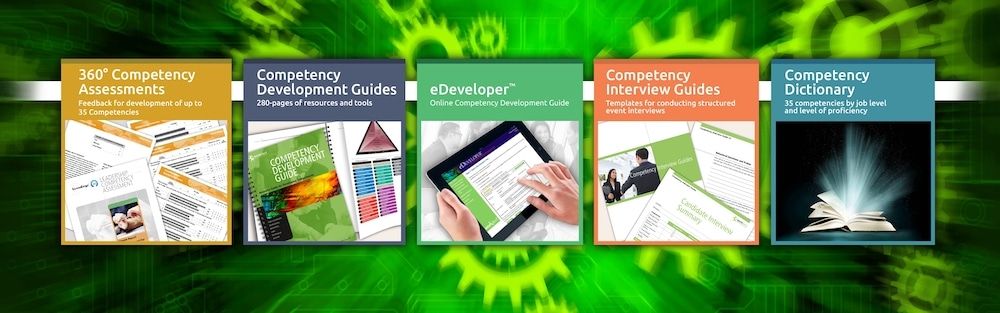
Workitect provides competency-based talent management tools, programs and systems.
Workitect, Inc.
www.workitect.com
Telephone: 954-938-5370 or 800-870-9490, Email: info@workitect.com

Related Posts
Recent Posts

In Good Times & Tough Times, You Need Competent People
People. Not money, not buildings, not tools. Competent people are your most valuable resource. And…

What is the One-Size-Fits-All Competency Model?
In the One-Size-Fits-All Approach, a competency model is developed for a broadly defined set of…
Is Your Performance Management System Working?
If it isn’t working, consider a… COMPETENCY-BASED PERFORMANCE MANAGEMENT SYSTEM Many organizations are becoming…

The New Reality: Career Streams vs. Career Ladders
Along with many other changes in how employee performance is managed, there is a…