
Blog

Emotional Support Animals for Anxiety: 5 FAQs
Living with anxiety can be a serious struggle. While most people feel anxious over certain events or situations, an anxiety disorder can cause you to experience anxiety at any time, often for no reason, to the point where it negatively affects your daily life. An emotional support animal may help reduce the symptoms of anxiety disorder, and learning the answers to some common ESA questions may help you decide if one is the right choice for you.
1. What Is an Emotional Support Animal?
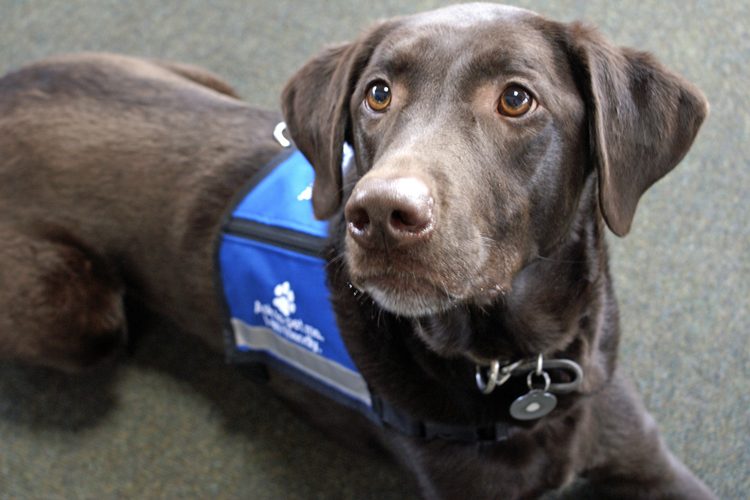
An emotional support animal is typically a dog or occasionally a cat or small mammal that provides its human companion with comfort and support for anxiety, post-traumatic stress disorder and depression. They can be especially comforting during times of extreme emotional distress, including:
- Panic attacks
- Elevated anxiety
- Mental unrest or racing thoughts
The presence of an ESA can calm anxiety and allow the individual experiencing anxiety to focus on petting or interacting with it, redirecting his or her thoughts or providing a calming presence during tasks that cause anxiety symptoms.
2. Are ESA Dogs Service Animals?
While an emotional support animal can travel with you on airplanes and accompany you to most places a service animal would be allowed, there are a few differences between the two. The most significant difference is the tasks each perform, as service dogs are trained to perform physical acts such as turning lights off and on, providing balance assistance, picking up or fetching objects and retrieving them off shelves. Emotional support animals are typically not trained to perform these tasks.
Because an ESA does not need the kind of training that service dogs receive, you may be able to register your current dog or cat in this capacity. In most cases, an ESA only needs to be house-trained, non-aggressive with people and other animals and obedient. It is for these reasons that dogs are most often employed as emotional support animals, as most breeds respond well to obedience training. Animals that are calm and enjoy traveling make fine ESA companions.
3. Are There Laws for ESAs?
Laws that protect the presence of service dogs usually cover emotional support animals as well. For example, landlords and other property owners cannot refuse your rental application because you have one of these animals, as the Fair Housing Act allows them to live and travel with you. The Air Carrier Access Act, a Federal law, permits you to fly with your ESA in the cabin of the plan and pay no animal fees and you can have the animal not in a crate. This can be especially useful if your job requires frequent travel and an ESA helps reduce your anxiety symptoms.
Get your ESA letter from United Support Animals and also register your ESA, airlines do require current proof that your animal was prescribed by way of an ESA Letter. Many airlines ask that your ESA letter be no more than a year old and that the contact information for the prescribing medical professional is both correct and up to date. United Support Animals will insure all these requirements are meet.
4. What Forms Do I Require To Get an ESA?
Before you can acquire an emotional support animal to help ease the symptoms of your anxiety disorder, your condition needs to be diagnosed by a psychiatrist or other mental health professional and that is why contacting United Support Animals is key as United works on ESA matters exclusively for you.
Some airlines and other commercial facilities may require additional forms before you can travel with your animal. You may want to remember that your ESA must be well trained and willing to spend time around other people, even if you have an ESA letter and some airlines do have forms that they require beyond the ESA letter that speak to your items your vet will need to address.
5. Must I Disclose My Anxiety Disorder?
A prospective landlord or airline official may call your therapist to verify your ESA letter, but he or she cannot demand that you or your therapist provide specific details about your anxiety disorder. You are also not obligated to provide any medical records or other paperwork related to your visits or therapy appointments. In most cases, a current ESA letter is enough to allow your animal to live and travel with you.
An anxiety disorder can disrupt your life and make daily tasks seem insurmountable. The presence of an emotional support animal can help reduce symptoms and provide you with comfort and unconditional love. Register your animal today so you can ensure your best friend always remains by your side.