
Blog

Can an Emotional Support Animal Help with Dyslexia?
Around 20% of the population has dyslexia, meaning around 1 in 5 people. Dyslexia is learning disability that results in difficulty learning to read or interpret symbols, letters, numbers, or words. It is characterized by otherwise extremely intelligent students suddenly struggling to learn to read and write.
Dyslexia can cause many secondary symptoms and mental illnesses, such as anxiety, depression, and low self-esteem. Many students with dyslexia get incorrectly labeled as unintelligent, lazy, or purposefully difficult, when in fact they are very intelligent and doing their best. Struggling with these incorrect assumptions can make it even harder to overcome dyslexia and find the adequate support the student needs.
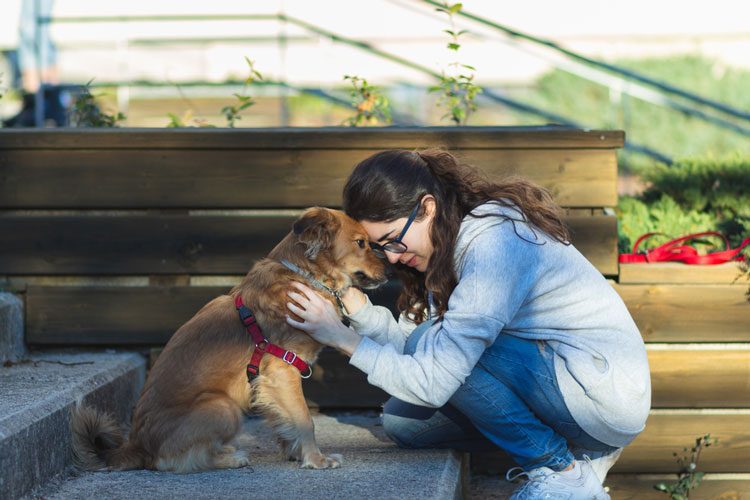
If you’re child struggles with dyslexia, an emotional support animal or psychiatric service dog may be able to assist them. A support animal can help provide consistency, unconditional love, comfort, and joy, which can help ease the symptoms of anxiety and depression. They can also motivate a student to be more physically active and help them stay on a schedule by reminding them when to move to the next task. An emotional support animal, however, cannot be taken out in public or to school with a student, as they are only protected under the Fair Housing Act. This does allow you to live with the support animal regardless of pet policies or fees.
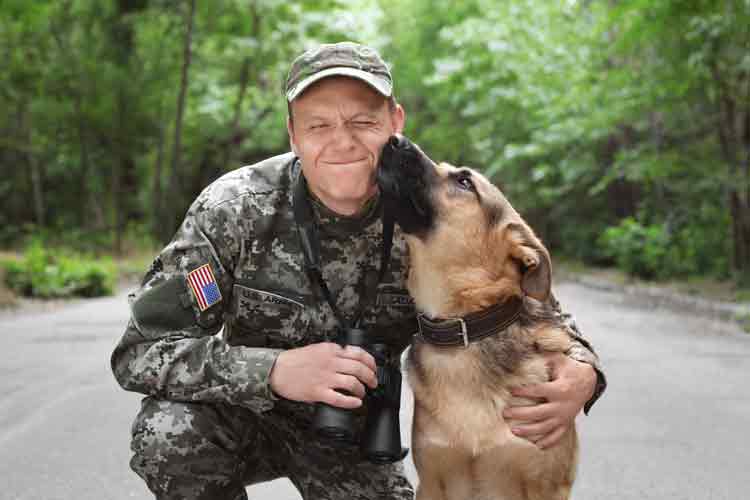
A psychiatric service dog is defined as a dog who is trained to perform specific tasks in relation to their owner’s mental wellbeing. Service dogs can accompany an individual wherever they go, because they are considered necessary medical equipment and protected under the ADA.
The tasks a service dog could perform for an individual struggling with dyslexia could include providing physical stimulation, since in dyslexia this has been shown to improve learning retention, interrupting panic attacks, reminding a child to do a certain task at a certain time, and standing between them and someone else to provide a sense of safety. A service dog can help treat the many secondary symptoms and issues of dyslexia, allowing the student to focus on learning and on overcoming the obstacle before them.
Clearly, an emotional support animal or psychiatric service dog can help support, comfort, encourage, and aid a student with dyslexia in the learning process. Registering for an emotional support animal or service dog requires an emotional support or service dog letter of certification. You can easily get one today at United Support Animal.