
Blog
Latest Airline Rules for Psychiatric Service Dogs: What You Must Know This Year
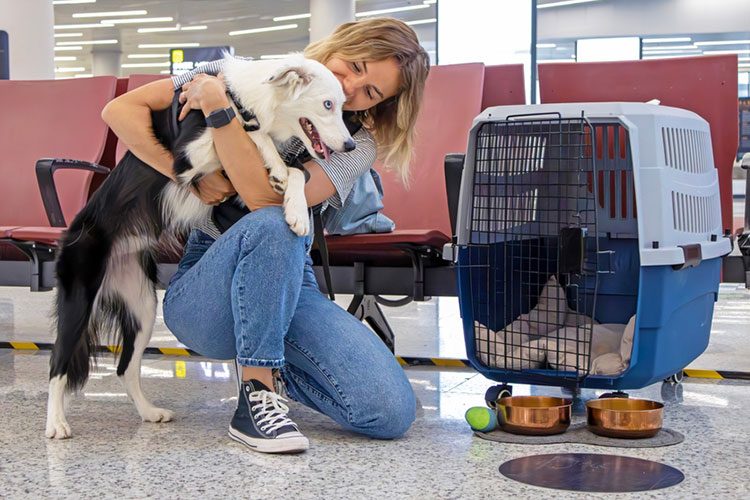
Flying with a Psychiatric Service Dog can be a smooth experience—if you understand the latest airline rules and prepare correctly before you arrive at the airport. Over the last few years, U.S. airline policies have tightened significantly, especially regarding what qualifies as a service animal and what documentation airlines can request.
This article breaks down the most current expectations passengers should understand this year, including airline paperwork requirements, behavior standards, seating rules, international considerations, and how to avoid common travel-day problems.
Why Airline Rules for Psychiatric Service Dogs Have Changed
Air travel rules for service animals have evolved due to increasing confusion between service dogs, emotional support animals (ESAs), and pets. Airlines needed clearer definitions and enforcement procedures to ensure cabin safety, reduce disruptions, and protect passengers who genuinely rely on trained service dogs.
A Psychiatric Service Dog is trained to perform specific tasks related to a psychiatric disability—such as interrupting panic attacks, grounding during dissociation, performing room checks, or waking handlers from night terrors. Unlike ESAs, psychiatric service dogs are still recognized by airlines as service animals (when properly trained and properly documented).
What Airlines Consider a Psychiatric Service Dog This Year
Airlines generally follow the U.S. Department of Transportation (DOT) definition of a service animal. That means:
A Psychiatric Service Dog Must Be Task-Trained
Airlines require that the dog is trained to perform tasks directly related to a disability. “Comfort,” “emotional support,” or “companionship” alone does not qualify.
Service Animals Must Be Dogs
Most airlines only recognize dogs as service animals. Other species are typically not accepted under service animal air travel rules.
Dogs Must Behave Appropriately in Public
Airlines may deny boarding if the dog shows signs of aggression, uncontrolled barking, repeated accidents, lunging, or inability to remain calm.
DOT Airline Paperwork Requirements You Must Know
Most U.S. airlines require passengers flying with a service dog to submit DOT forms, typically:
DOT Service Animal Air Transportation Form
This form usually includes:
-
Handler and flight information
-
Statement that the dog is a trained service animal
-
Dog’s training and behavior confirmation
-
Veterinary and vaccination information (if requested)
DOT Service Animal Relief Attestation (For Long Flights)
Often required when:
-
Flight duration is 8+ hours
-
Travel includes extended layovers
-
The airline needs confirmation the dog can avoid relieving itself or can do so in a sanitary way
Key Tip:
Many airlines require forms to be submitted in advance—sometimes 48 hours or more before departure—especially for international travel. Always check the airline’s specific policy.
Airline Seating Rules and Cabin Expectations
Rules for seating with a service dog are often consistent across major airlines, but details vary.
Where Your Psychiatric Service Dog Can Sit
Most airlines require that:
-
The dog stays on the floor
-
The dog fits in the handler’s foot space
-
The dog does not block aisles or emergency exits
Some airlines allow:
-
Bulkhead seating (often preferred for extra floor room)
-
Window seats (recommended when possible for safety and space)
What Airlines Usually Don’t Allow
You generally cannot:
-
Put the dog in a seat
-
Allow the dog to sit on your lap (unless very small and still not obstructing)
-
Place the dog in the aisle
If your dog is too large to safely fit in a standard seat area, airlines may require alternative seating arrangements or deny boarding.
Breed Restrictions, Size Limits, and Airline Discretion
Airlines typically cannot deny a Psychiatric Service Dog based on breed alone, but they can deny transport if the dog:
-
Is too large to be accommodated safely
-
Displays behavioral issues
-
Causes disruption or poses a safety concern
Some airlines may ask additional questions when dogs appear unusually large or if passengers request specific seat accommodations.
Training and Behavior Standards Are Strict This Year
Airlines increasingly focus on behavior, not paperwork alone. Even if documentation is complete, airlines can refuse transport if your dog is not under control.
Service Dog Must Be Under Control at All Times
This means:
-
Leash or tether unless it interferes with tasks
-
Reliable obedience
-
No excessive barking or whining
-
No jumping on others
Housebroken Requirement
Your dog must be fully housebroken. Any accident in the terminal or cabin could result in denial of travel and future restrictions.
International Travel: More Rules, More Paperwork
If you’re traveling internationally, airline requirements are only part of the process. You must also comply with:
-
Destination country import rules
-
Rabies vaccination requirements
-
Health certificates
-
Microchip policies
-
Quarantine rules (in certain countries)
Important Note
Some countries require paperwork to be completed weeks in advance, including vet stamps, endorsements, or official government forms.
Common Mistakes That Cause Airport Problems
Many passengers assume airlines accept service dogs the same way they did years ago. This year, these mistakes frequently lead to delays or denied boarding:
Not Submitting DOT Paperwork Early
Even if the airline allows same-day submission, early submission prevents issues at check-in.
Confusing ESA Rules With Psychiatric Service Dog Rules
ESAs generally do not receive the same airline protections as service dogs anymore.
Arriving Unprepared for Behavior Enforcement
Airlines and airports are stricter on dogs that are reactive, anxious, or disruptive.
Poor Planning for Relief Breaks
Know where pet relief areas are located in airports, and plan timing around boarding.
Practical Travel Checklist for Psychiatric Service Dog Flights
Before your flight, confirm:
Documentation
-
DOT Service Animal Air Transportation Form submitted
-
Relief form submitted (if required)
-
Vaccination records available (especially for international)
Equipment
-
Leash/harness
-
Waste bags and wipes
-
Portable water bowl
-
Travel mat (helps dog remain settled)
Training Readiness
-
Calm “down-stay” for long periods
-
Comfort in noisy environments
-
Confidence around crowds and luggage
This level of preparation is the difference between a stress-free flight and a chaotic one.
4 Frequently Asked Questions About Psychiatric Service Dogs and Airline Rules
1) Do airlines still allow Psychiatric Service Dogs this year?
Yes. Airlines continue to recognize Psychiatric Service Dogs as service animals when they are task-trained and meet DOT requirements.
2) Do I need to show proof of my disability to fly with a Psychiatric Service Dog?
No. Airlines generally cannot require proof of disability, but they can require DOT forms confirming the dog is trained and behaves appropriately.
3) Can airlines deny my Psychiatric Service Dog if it is large?
They may deny transport if the dog cannot fit safely within the handler’s foot space or obstructs safety areas. Large dogs may require seat adjustments.
4) Do airlines accept letters or online certificates for Psychiatric Service Dogs?
Usually, no. Airlines prioritize DOT forms and the dog’s behavior and training. “Registration” sites and certificates generally do not replace official airline-required forms.
Tags: airline rules, airport tips, DOT service animal form, flying with service dog, psychiatric service dog, service dog training, service dog travel, travel compliance